BEV, PHEV, hybrid: decoding the alphabet before you shop
July 10, 20264 min read
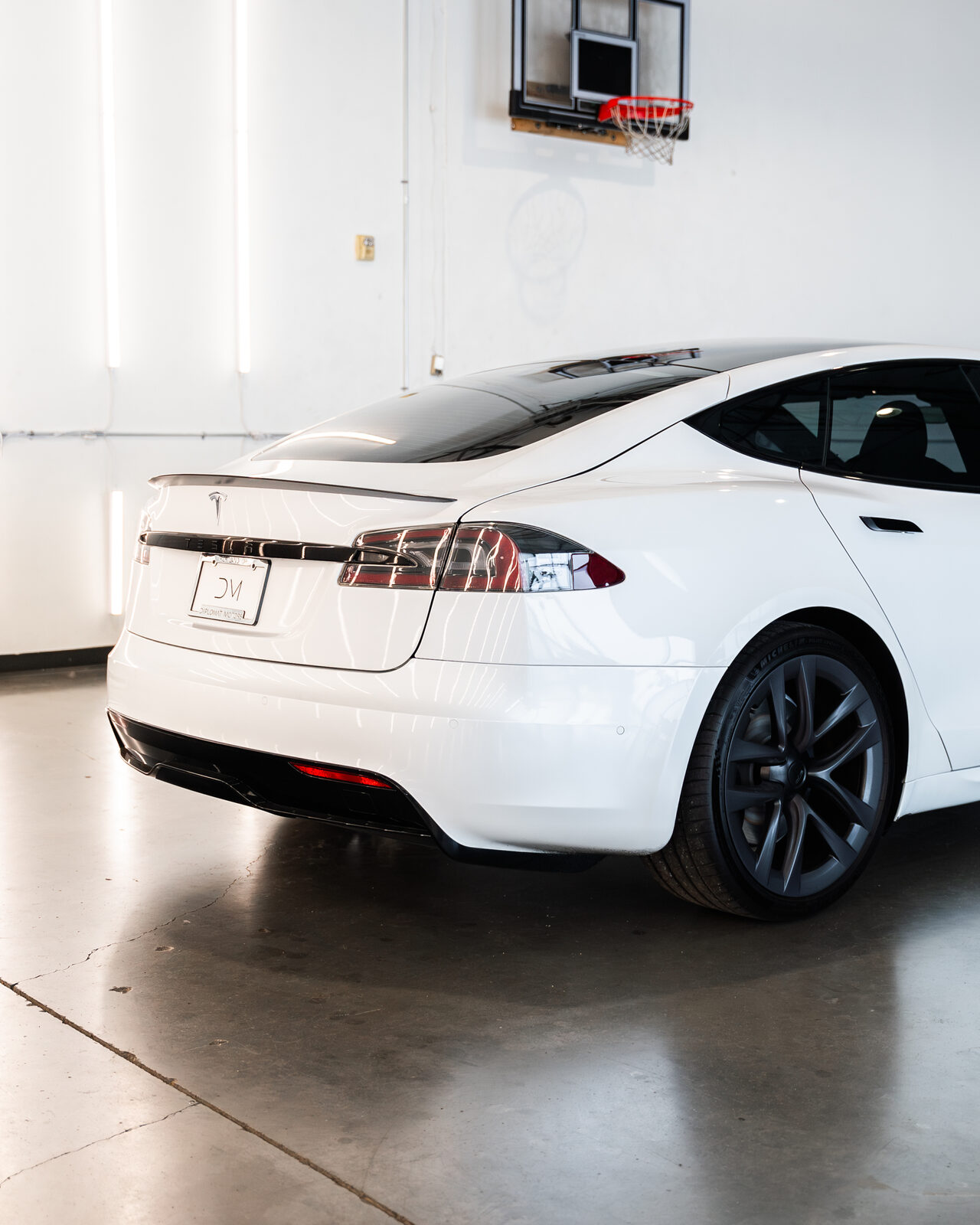
Car marketing loves the word 'electrified,' which can mean anything from a full electric car to a gas car with a mild assist. The alphabet soup — BEV, PHEV, HEV — is actually three different ownership experiences. Two minutes here saves a lot of confusion later.
BEV: battery only, no backup
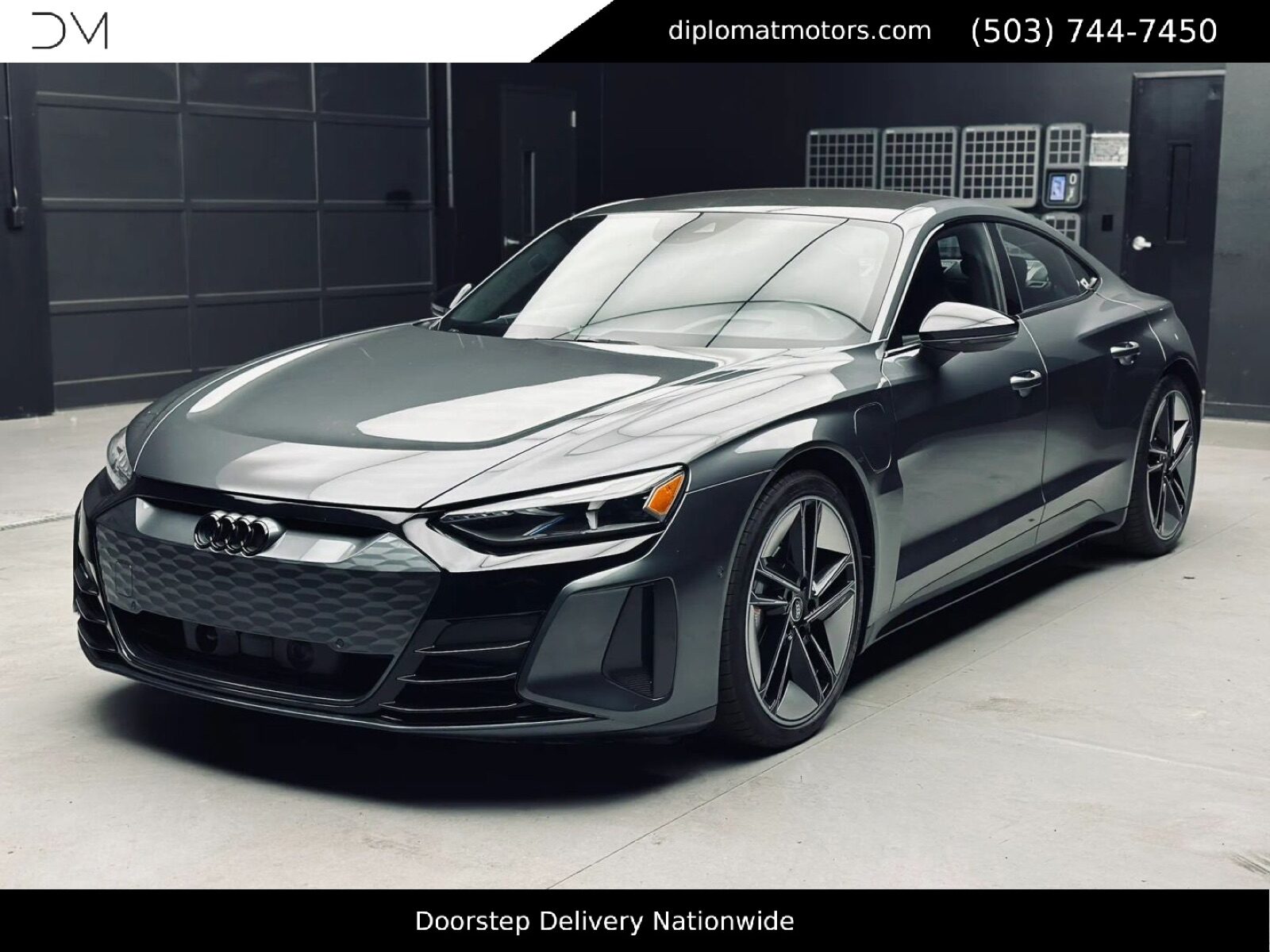
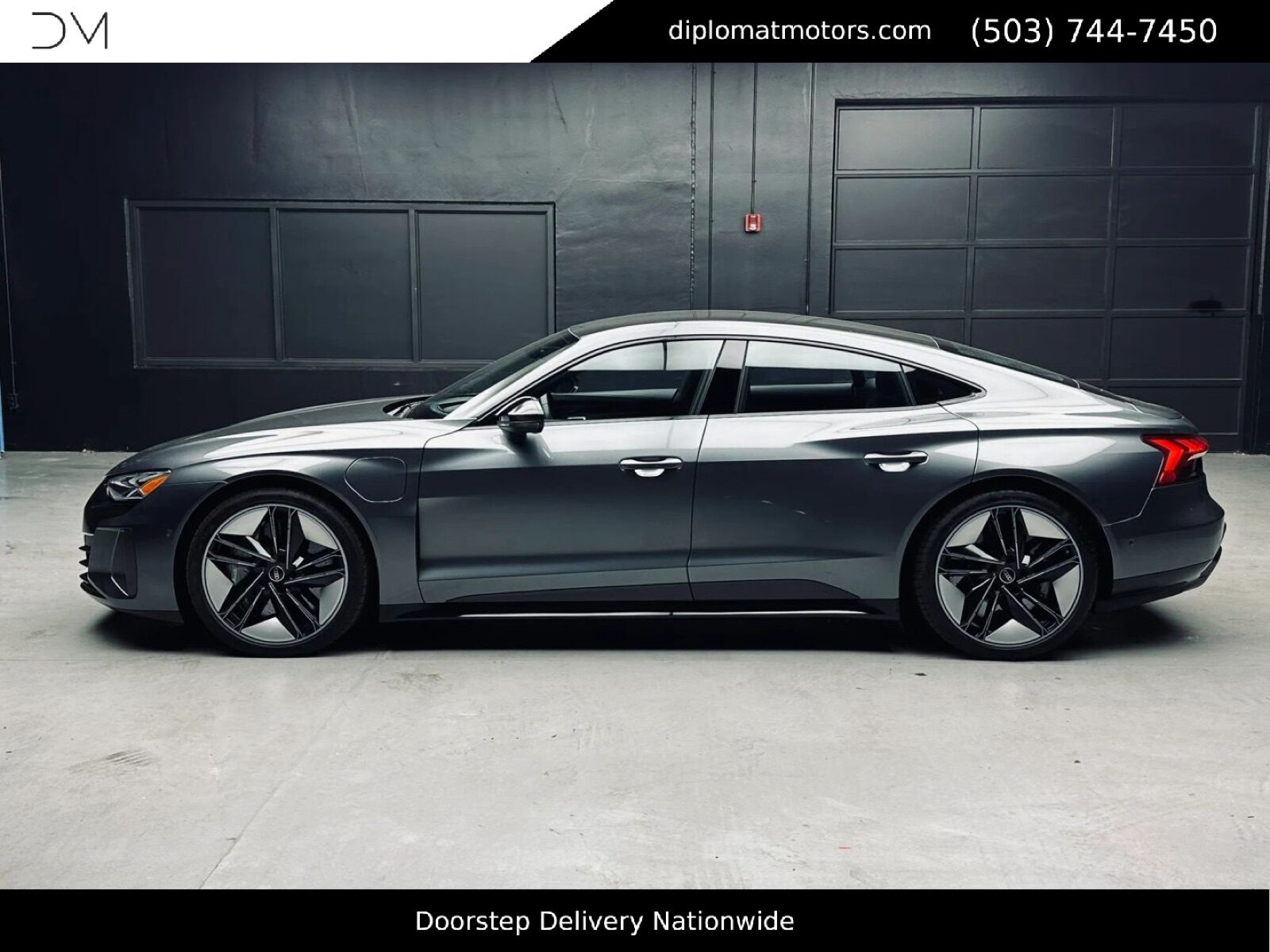
A battery electric vehicle runs on the pack alone — no engine, no tailpipe, no gas station. This is what most people mean by 'an EV,' and it's what our gallery specializes in. You fuel it wherever there's electricity, which for most owners means their own garage, overnight.
The fit: anyone with a predictable routine and somewhere to plug in — even a standard wall outlet. Modern BEVs with 250+ miles of range handle Portland commutes with enormous margin.
PHEV: a small battery with a gas safety net
A plug-in hybrid carries a modest pack — usually good for 20–45 electric miles — plus a full gas drivetrain. Charge it nightly and errands happen on electricity; point it at the coast and the engine takes over without a thought.
The fit: households that can't charge reliably, or drivers whose weeks are unpredictable. The honest catch: you're maintaining both drivetrains, so the maintenance savings of a full EV mostly don't apply.
HEV: the hybrid you never plug in
A conventional hybrid recaptures braking energy into a tiny battery to help the engine along. Great fuel economy, zero lifestyle change — and zero electric-only driving of any real distance. It's a very efficient gas car, not an electric one.
If you're comparing all three on total cost, remember only plug-in vehicles qualify for the federal credits — and only the BEV drops the gas line item to zero.
Written by the Diplomat Motors team — the specialists on our Troutdale and SE Portland floors. Questions about anything here? Talk to a human.